
Picture this: someone sits down at their laptop after a long day, finally ready to ask for help. They type anxiety therapist Philadelphia into Google. They click through a few websites. Most say something like "I work with adults experiencing a variety of concerns." Then they land on a page that feels different. It describes exactly how they have been feeling. It speaks to the specific kind of anxious, the late nights, the racing thoughts, the exhaustion of keeping it all together.
That is the power of a well-written therapy specialty page. And if your website doesn’t have one, you could be invisible to the very clients who need you most.

This guide will walk you through what a therapy specialty page is, why it matters for both SEO and connection, and exactly how to write one that turns the right visitors into booked consultations.
What Is a Therapy Specialty Page?
A therapy specialty page is a dedicated page on your website focused on one specific area of your practice. Rather than listing every service on a single page, each specialty gets its own space.
Common therapy specialty pages include:
Anxiety and depression therapy
Trauma and PTSD treatment
EMDR
Somatic therapy
Addiction counseling
Couples and relationship therapy
Play therapy for children
Teen and adolescent therapy
Grief and loss counseling
You do not need a page for every approach you use. Focus on the specialties that align with your ideal client and the work you most want to be doing.
Why Specialty Pages Are Good for SEO
Every time someone types a search like "trauma therapist near me" or "EMDR therapy for anxiety" into Google, the algorithm is looking for the most relevant and specific result. A page dedicated to that exact topic will almost always outrank a general services page.
Specialty pages work so well because they:
Target specific, high-intent keywords that potential clients are already searching
Give Google more signals about what you offer and who you serve
Keep visitors engaged longer, because the content feels relevant to them
Build trust faster, which leads to more inquiries
Think of each specialty page as a small magnet. The more specific and genuine it is, the more powerfully it attracts the right people to your practice.

What Every Therapy Specialty Page Should Include
A strong specialty page has a clear structure that serves both your visitor and search engines. Here’s what to include:
1. A Client-Centered Opening
Skip the clinical definition. Start with an experience your ideal client will recognize.
Describe how they might be feeling right now, what a hard day looks like for them, or what they’re hoping things could feel like instead.
For a couples therapy page, this might sound like: "You love each other, but lately it feels like you’re speaking different languages. The same arguments keep circling back, and the distance between you keeps growing."
When someone reads that and thinks that’s exactly how I feel, you have their attention.
2. A Clear Description of What You Offer
Once your reader feels seen, explain how you help.
Describe your approach in plain, warm language. Avoid jargon where possible, or explain it when you use it. This section should answer: What will working with you actually look like?
For an EMDR page, for example, you might explain the process simply and reassuringly, letting clients know what to expect in sessions so the unknown feels less intimidating.
3. Who This Is For (and not for)
Specificity builds trust.
Rather than positioning yourself as someone who helps everyone, describe the types of clients who thrive in your care. This naturally filters for your ideal clients and helps the wrong-fit clients self-select out, saving everyone time.
For example, a teen therapy page might include a section that speaks directly to parents who are watching their child struggle and don’t know how to reach them.
4. Your Personal Connection to This Work
This is the piece many therapists leave out, but it can be one of the most compelling.
Why does this area of work matter to you? What draws you to it? You don’t need to share anything personal if you don’t want to, but even a sentence or two about your genuine interest in this specialty humanizes you and can make a real impression.
5. An Encouraging Call to Action
End every specialty page with a warm, clear invitation to take the next step.
Keep it simple and low-pressure. Something like: "Ready to feel like yourself again? Reach out to schedule a free consultation." Link directly to your contact page or scheduling tool.
A Note on Keywords
Use the language your clients actually use, not clinical terminology. If someone is searching for a grief therapist, they are probably not typing "bereavement specialist." They’re more likely typing "therapist for grief" or "help dealing with loss."
Include your specialty keyword naturally in:
Your page title and URL
Your first paragraph
At least one subheading
The alt text for at least one image
Your call to action
The page SEO title and description
Write for your reader first. The SEO will follow when the content genuinely matches what your ideal client is searching for.
How Many Specialty Pages Do You Need?
If you’re unsure, just start with two or three specialty pages that reflect your most sought-after services and the clients you most want to attract. Quality always wins over quantity here, so opt for thoughtful, well-written pages.
As your practice evolves and you refine your niche, you can always add more. Your website should grow with you.

Your Website Should Reflects Your Services Clearly
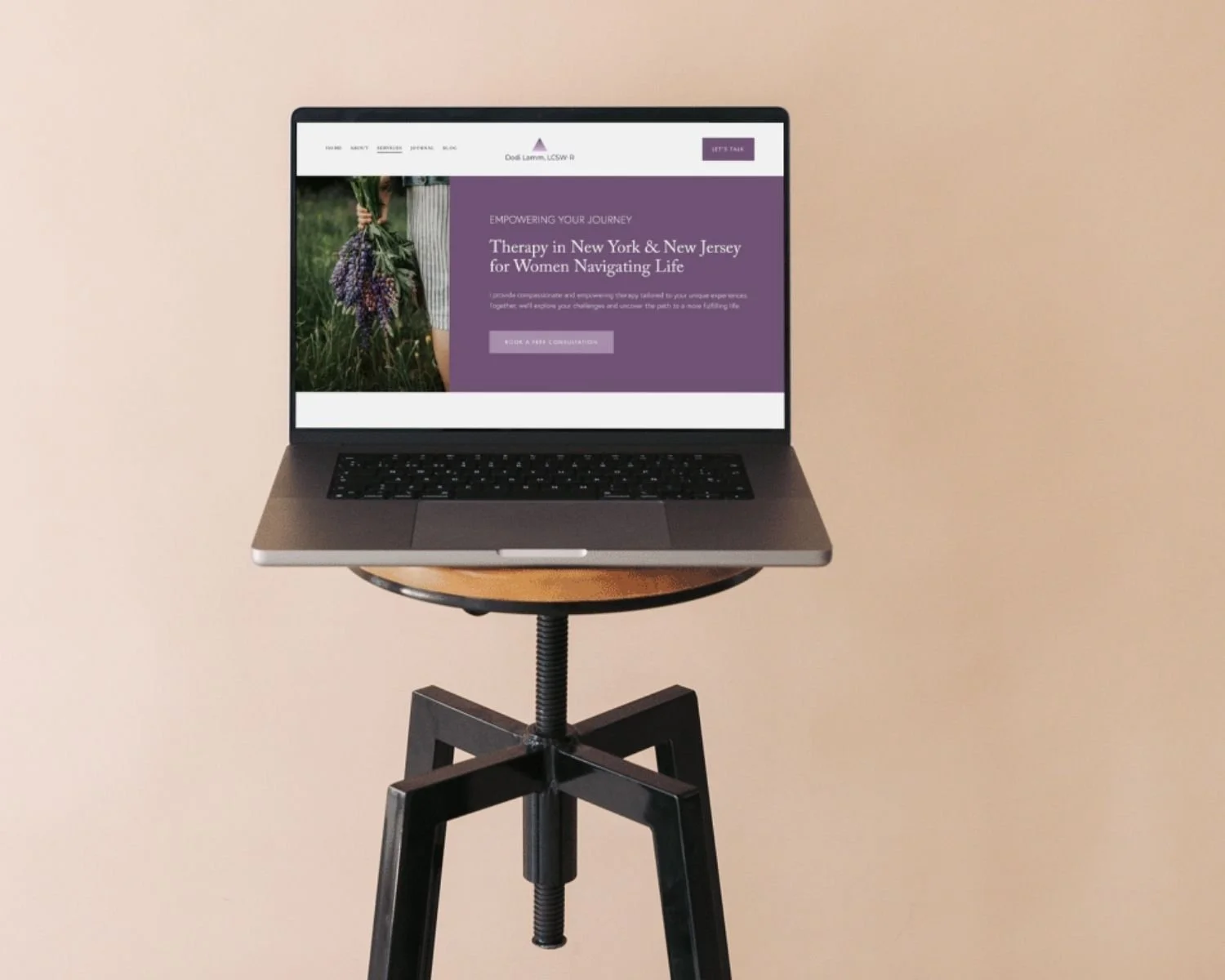
Writing specialty pages that feel both authentic and strategic is one of the most meaningful things you can do for your practice's online presence. And if writing about yourself still feels overwhelming, or if your current website simply does not feel like you, I’m here to help.
I design custom Squarespace websites for therapists and wellness professionals that feel inviting, clear, and true to their work. If you’re ready to build a website that works as hard as you do, get in touch to schedule a free consultation.
Related Posts


You built your website to welcome the right clients — the ones searching for exactly the kind of support you offer. But here’s the thing: if Google doesn’t know your site exists, those potential clients may never find their way to you.